Solo, Social, or Somewhere New: Travel Ideas for Every Kind of Next Chapter
Whether you’re dreaming of a trip on your own, a group adventure, a long visit with family, or a fresh look at your own backyard, here’s how to choose the right kind of travel and plan it well.
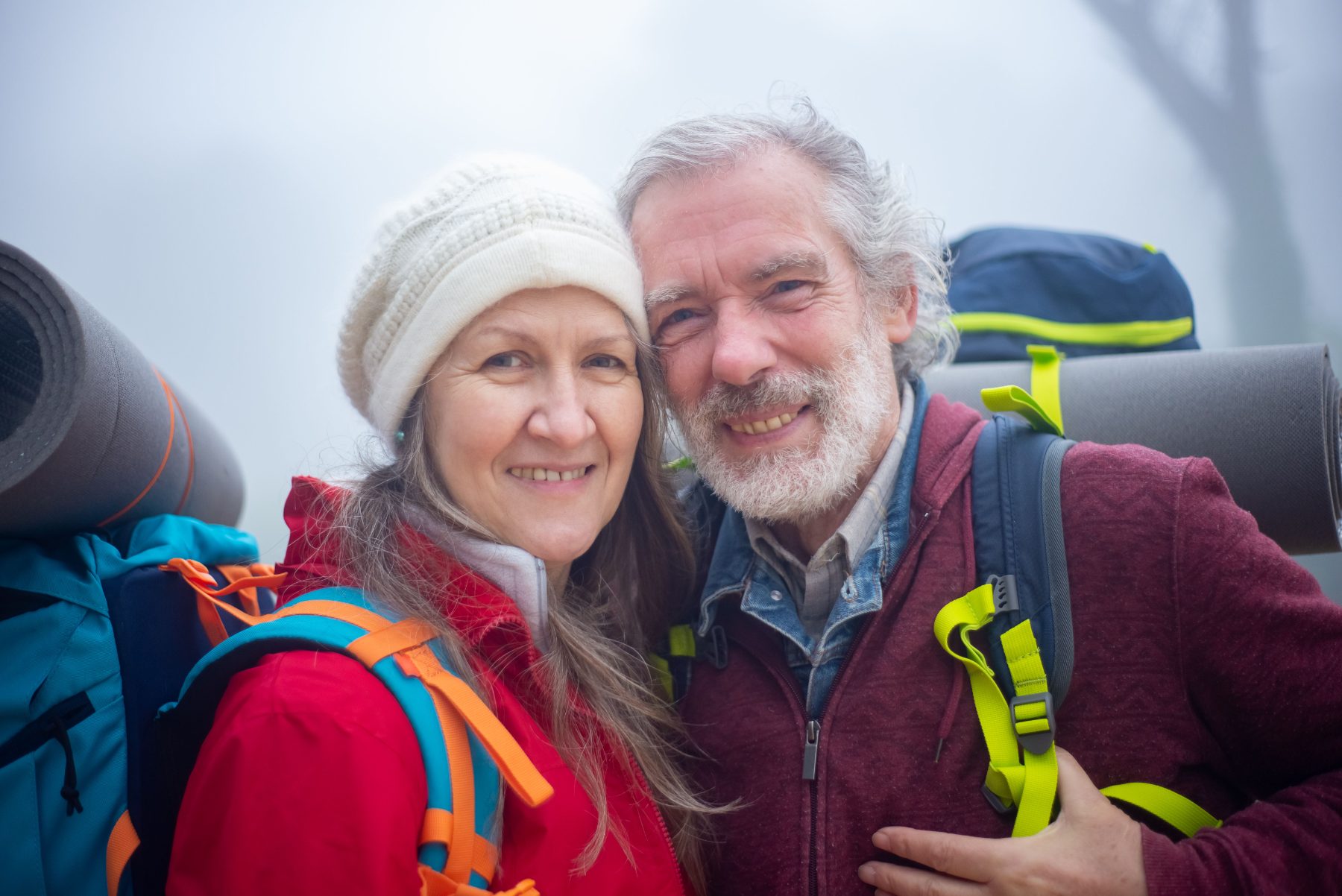
For many people, the years after a career wind down are the first time in decades that the calendar truly belongs to them. No vacation days to ration. No school schedules to work around. Just the question of where you’d like to go and how you’d like to feel when you get there.
That freedom is exciting, and it can also be a little overwhelming. The best way to narrow it down is to start not with a destination but with the kind of trip you want. Some chapters call for independence. Some call for company. Some are about the people you love, and some are about seeing the familiar with new eyes.
Start with the kind of trip, not the destination
Before you open a map, ask yourself three questions:
- Who do I want to be with? Myself, a group of new people, old friends, or family.
- What pace feels good? Packed days of sightseeing, or slow mornings and long lunches.
- How much do I want to plan? Every detail, or almost nothing.
Your answers will point you toward one of four broad styles of travel, each with its own rewards.
Solo travel: going on your own terms
Traveling alone is one of the fastest-growing kinds of travel among older adults, and it isn’t hard to see why. You eat when you’re hungry, linger where you like, and change plans without negotiating. Many solo travelers say they meet more people alone than they ever did traveling with a companion, because they’re more open to conversation.
Good first solo trips tend to be places that feel manageable: a city you’ve visited before, a destination where you speak the language, or a walkable town with good public transit. A long weekend is a great test run before a longer journey.
Tips for traveling solo:
- Look for small-group tours designed for solo travelers. Many operators offer departures with reduced or waived single supplements, the extra fee often charged when one person occupies a room meant for two.
- Share your itinerary. Give a friend or family member your flight details, hotel addresses, and a rough daily plan, and agree on a simple check-in routine.
- Book the first night in advance. Arriving somewhere new is easier when you know exactly where you’re sleeping.
- Pack light. Managing your own bags is much easier with one rolling carry-on and a crossbody bag. (For packing pieces that work hard and still feel like you, see our guide to style after 60.)
Social travel: the joy of a group
If the idea of planning every detail sounds exhausting, or you simply enjoy company, group travel may be your best fit. Someone else handles logistics, and you get built-in companions for meals and outings.
Options range widely:
- Educational travel programs built around history, art, nature, or culture, often led by expert guides or lecturers.
- River and small-ship cruises, which let you unpack once while waking up somewhere new each day.
- Alumni, faith community, and club trips, where you’ll travel with people who already share something in common.
- Special-interest tours centered on walking, gardens, food and wine, photography, birding, or music.
Before you book, look closely at the activity level. Reputable operators rate their trips by how much walking, stair climbing, and uneven terrain are involved. Ask about group size, daily schedule, and how much free time is built in. The right group trip should leave you energized, not worn out.
A bonus: group travel is one of the most natural ways to make new friends later in life. Shared adventures create shared stories, and many travelers stay in touch long after the trip ends.

Family travel: visits that feel like a real trip
For many people, the most meaningful travel is the kind that brings them closer to children, grandchildren, and extended family. Those visits are richer when they feel like a trip rather than an obligation.
- Consider staying nearby rather than in the guest room. A hotel or short-term rental a few minutes away gives everyone room to breathe and makes a longer visit easier on all sides.
- Plan one thing just for you. A museum, a garden, a favorite restaurant. It turns a family visit into a trip you get to enjoy, too.
- Try a multigenerational trip. A beach house, a national park, or a cruise can bring three generations together in a setting where no one is hosting.
- Consider a trip with just the grandchildren. Sometimes called “skip-gen” travel, these trips create one-on-one memories that last a lifetime. Pick something that matches everyone’s energy, and bring written permission from parents if you’re crossing borders.
Somewhere new, close to home
Travel doesn’t have to involve a passport or even an overnight bag. Some of the most rewarding adventures are a short drive away, and local trips are easy to plan, easy on the budget, and easy to repeat.
- Be a tourist in your own town. Take the walking tour, visit the museum you’ve been meaning to see, or book a night at a local inn.
- Explore state and national parks. U.S. citizens and permanent residents 62 and older can buy an America the Beautiful Senior Pass, which covers entrance fees at national parks and many other federal recreation sites.
- Take the train. A day trip by rail to a nearby city lets you enjoy the scenery without the drive.
- Follow a theme. Visit every covered bridge, winery, historic site, or botanical garden within a two-hour radius.
- Check your library. Many public libraries lend free passes to museums, zoos, and attractions.
Practical considerations for any trip
A little preparation makes every kind of travel smoother. Keep these in mind whatever direction you go.
Health and medications
If you have an upcoming long trip or are traveling somewhere remote, check in with your doctor beforehand. Pack medications in your carry-on in their original labeled containers, bring a few extra days’ supply in case of delays, and keep a written list of your prescriptions, dosages, and allergies.
Insurance
Original Medicare generally does not cover medical care outside the United States, so international travelers should review their coverage carefully. Some Medicare Advantage and Medigap plans include limited foreign travel emergency benefits. A separate travel medical policy can fill the gaps, and trip cancellation coverage can protect nonrefundable costs.
Getting around the airport
Airports are large, and gates can be far apart. In the U.S., airlines provide wheelchair and escort assistance at no charge. Request it when you book or at least 48 hours before your flight. Even if you walk well, it’s worth using on tight connections.
Timing and pacing
One of the great advantages of a flexible schedule is traveling in the shoulder season, the weeks just before or after peak season, when prices are lower, crowds are thinner, and the weather is often lovely. Build in rest days on longer trips, and don’t try to see everything. The best memories often come from the unplanned afternoon.
Your home while you’re away
Peace of mind at home makes it easier to enjoy being away. Before a longer trip, arrange to have your mail held, set your thermostat to a safe range, and consider shutting off the main water valve if you’ll be gone for weeks. Ask a trusted neighbor or a home-watch service to check on the house periodically, especially during storm season or winter freezes.
Your next chapter, your itinerary
There is no right way to travel in this season of life. Go alone and see what you discover about yourself. Go with a group and come home with new friends. Go see the people you love and make it a real trip. Or simply drive an hour in a direction you’ve never gone. The point isn’t how far you travel. It’s that the next chapter includes somewhere new.
Frequently asked questions
Is it safe to travel solo after 60?
Solo travel can be very rewarding at any age with sensible planning. Start with destinations that feel manageable, share your itinerary with someone at home, book your first night in advance, and consider small-group tours designed for solo travelers.
Does Medicare cover me when I travel abroad?
Original Medicare generally does not cover medical care outside the United States. Some Medicare Advantage and Medigap plans include limited foreign travel emergency coverage, so check your plan and consider a separate travel medical policy for international trips.
What are the best types of trips for someone who doesn’t want to plan?
Group tours, educational travel programs, and river or small-ship cruises handle most logistics for you. Review the activity level, group size, and daily schedule before booking to make sure the pace fits.
How can I travel on a budget in retirement?
Travel in the shoulder season, look for senior discounts on rail and attractions, use library museum passes, and explore regional destinations. U.S. citizens and permanent residents 62 and older can also purchase a Senior Pass for federal recreation sites.