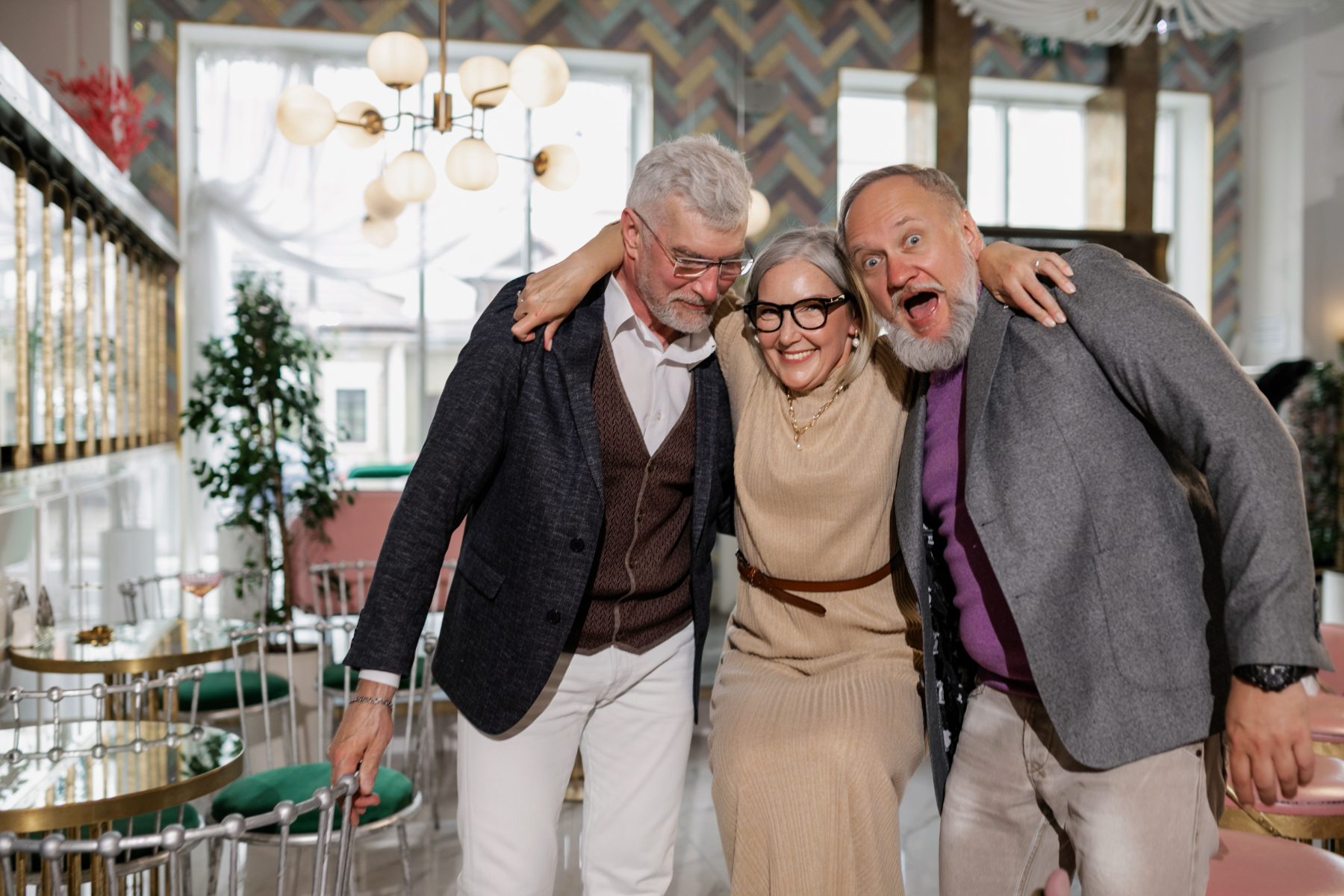
The New Rules of Style After 60: Wear What Makes You Feel Like Yourself
The old list of what you “should” wear at a certain age is expiring. What replaces it is simpler, kinder, and far more interesting: fit, comfort, color, and a clear sense of who you are.
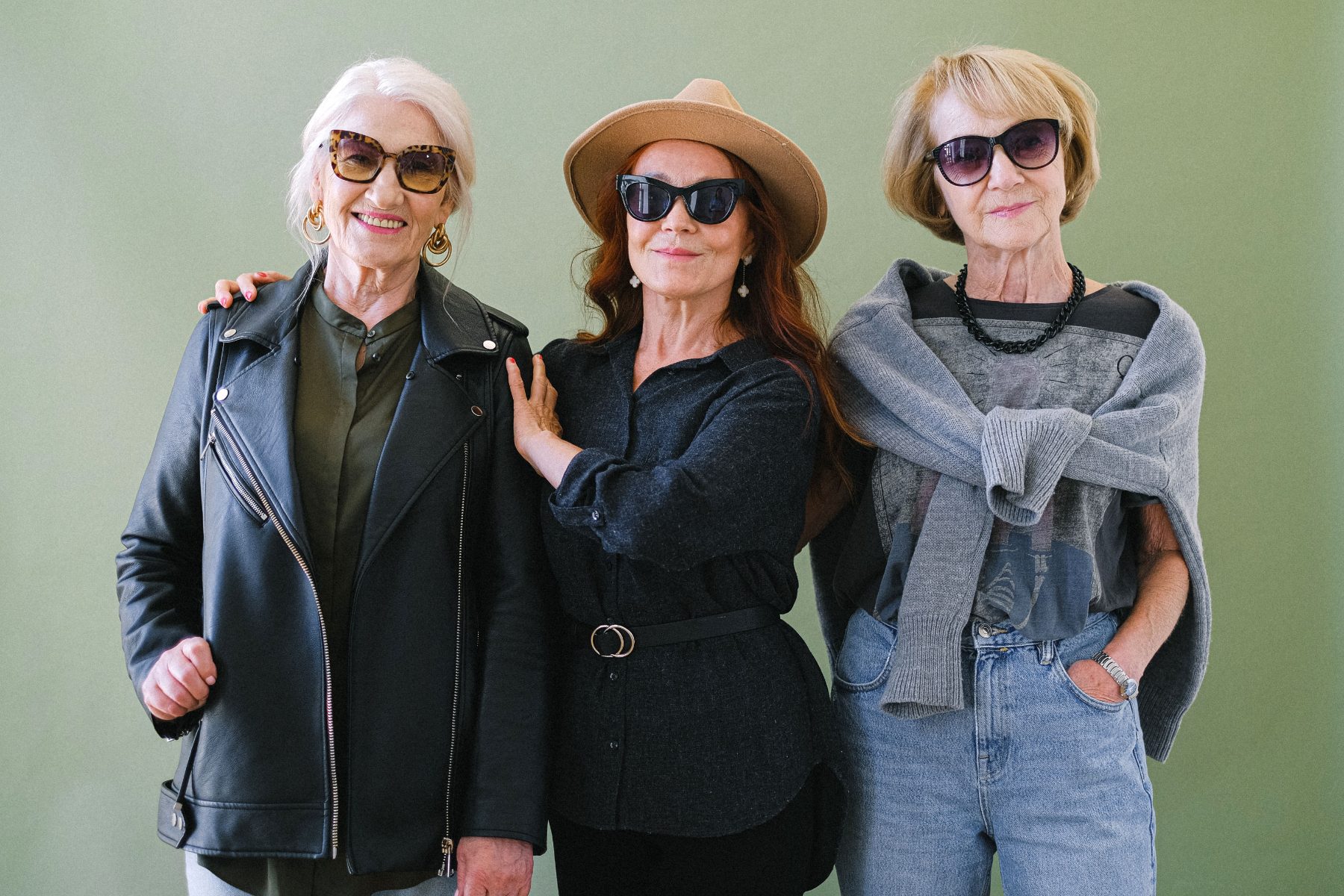
Somewhere along the way, most of us absorbed a set of unwritten rules. No long hair after a certain birthday. No bright colors, no short sleeves, no jeans with holes, nothing that tries too hard. Dress your age, whatever that means.
Here is the good news: those rules are quietly falling apart. Designers are casting models in their sixties, seventies, and beyond. Some of the most-followed style voices online are people who have long since stopped caring what a magazine thinks they should wear. And a growing number of people are discovering that the years after 60 are when personal style actually gets good, because you finally know what you like, what works on you, and what you are no longer willing to put up with.
This guide isn’t a list of things to avoid. It’s a set of new rules built around one idea: wear what makes you feel like yourself.
Why “age-appropriate” is the wrong question
“Age-appropriate” asks what other people expect of you. The better question is whether an outfit is you-appropriate: does it fit your body as it is today, suit the life you actually live, and make you feel more like yourself when you catch your reflection?
That shift matters. Clothing affects how we carry ourselves, how we move through a room, and even how willing we are to go out in the first place. When getting dressed feels like following someone else’s rulebook, it becomes a chore. When it feels like self-expression, it becomes one of the small pleasures of the day.
New rule #1: Fit comes before everything
If there is a single secret to looking pulled-together at any age, it’s fit. Bodies change over time. Shoulders shift, waists move, and the size you wore at 45 may not describe you now. Clothes that fit the body you have will always look better than clothes that fit a number on a tag.
- Find a good tailor. Hemming trousers, taking in a waist, or shortening sleeves costs relatively little and can make an inexpensive piece look custom.
- Ignore the size label. Sizing varies wildly between brands. Shop by how something fits, and cut the tag out if the number bothers you.
- Watch the shoulder seam. On jackets, blouses, and shirts, the seam should sit at the edge of your shoulder. It’s the one spot a tailor can’t easily fix.
New rule #2: Comfort is a design requirement, not a compromise
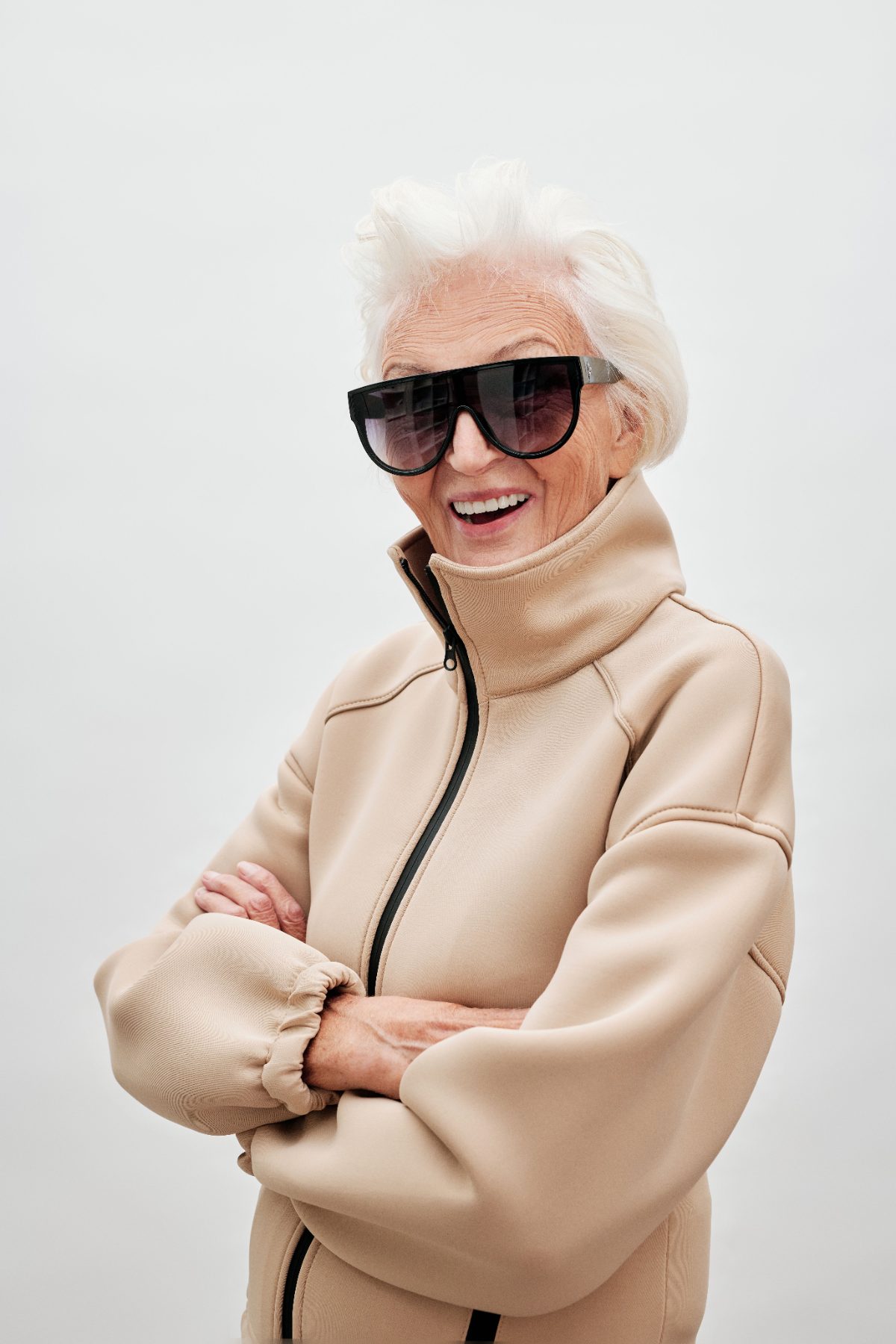
There was a time when comfort and style seemed like opposites. That time is over. Today’s fabrics, cuts, and footwear make it entirely possible to look sharp and feel good for a whole day.
Look for natural and blended fabrics that breathe, like cotton, linen, merino wool, and modal. A little stretch in trousers and denim goes a long way. Choose shoes with real support and a cushioned sole; fashion sneakers, loafers, low block heels, and well-made flats now come in styles that work with nearly everything in your closet.
Ease of dressing counts, too. Magnetic closures, side zips, wrap styles, and pull-on waistbands are no longer limited to specialty catalogs. Many mainstream brands now build these details into good-looking clothes, and choosing them is simply choosing well-designed clothing.
The goal isn’t to look younger. It’s to look like the most confident version of who you are right now.
New rule #3: Wear the colors that make you look awake
As hair and skin tones change, the colors that once flattered you may shift as well. That’s not a loss; it’s an invitation to experiment.
A simple test: stand near a window in natural light and hold different colors under your chin. Some will make your skin look brighter and more even. Others will make you look tired. Pay attention to the ones that make you look awake, and wear more of them near your face.
Many people find that as their hair silvers, saturated colors such as cobalt, emerald, raspberry, coral, and deep teal come alive. Others shine in soft neutrals like cream, camel, and navy. There is no required palette. There is only what works for you.
New rule #4: Build around a few signature pieces
The most stylish people often have a recognizable look, and it usually comes from a handful of pieces they love and wear constantly. A signature piece might be a great-fitting blazer, a particular style of trouser, a statement coat, a collection of bright scarves, or a pair of glasses that people associate with you.
Signature pieces make getting dressed easier. Once you know your anchors, the rest of your wardrobe only has to support them. Invest in quality where you’ll see the most wear, and save on trend items you may tire of quickly.
New rule #5: Let accessories do the talking
Accessories are the easiest way to add personality without rebuilding a wardrobe. A few ideas:
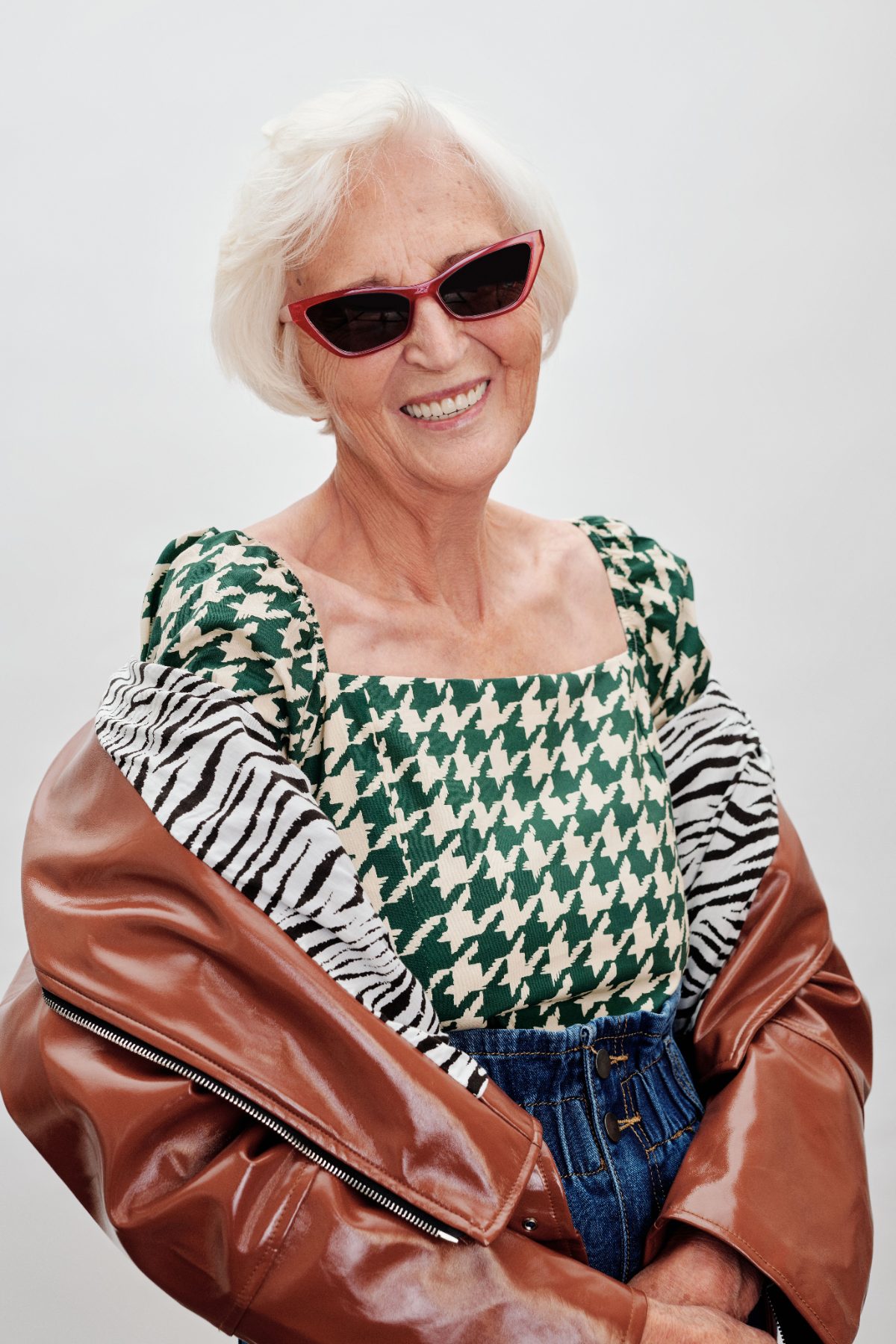
- Eyeglasses as a statement. If you wear glasses every day, they are the most visible accessory you own. A bold frame in tortoiseshell, a jewel tone, or a clear acetate can change your whole look.
- Scarves. They add color near the face, warmth when you need it, and polish to the simplest outfit.
- A great bag. A crossbody bag keeps your hands free and your shoulders happy, and it’s practical for travel.
- Jewelry with meaning. Pieces with a story, like a ring from a trip or a watch passed down, are conversation starters and style in one.
New rule #6: Your hair, your call
Going gray, staying colored, cutting it short, growing it long: every one of these is a legitimate style decision, not an age decision. Many people who stop coloring describe it as freeing. Others love their color and have no plans to stop. The only rule is to choose a cut and color you enjoy maintaining and that makes you feel like yourself.
If you are considering a change, a stylist who works regularly with silver and gray hair can help with toning, cuts that add movement, and the transition period.
New rule #7: Dress for the life you’re living now
Retirement, relocating, a new hobby, grandchildren, travel: life after 60 often looks very different from life at 50. Your wardrobe should reflect that. If your closet is still full of suits for a job you left years ago, those pieces are taking up space that could hold clothes for the life you actually have.
A 20-minute closet check
You don’t need a full overhaul. Pull out ten items you haven’t worn in a year and ask each one these questions:
- Does it fit the body I have today?
- Is it comfortable enough that I’d actually wear it for a full day?
- Does the color make me look awake?
- Does it suit the life I’m living now?
- Do I feel like myself in it?
Anything that gets three or more “no” answers can be donated, consigned, or passed along to someone who will love it. What remains is a closet that works for you.
The only rule that matters
Style after 60 isn’t about keeping up, and it isn’t about disappearing. It’s about knowing yourself well enough to dress like it. Wear the red coat. Keep the sneakers. Try the bold glasses. When your clothes reflect who you are, you walk into every room, whether it’s a dinner party, a new class, or an airport gate, a little more like yourself.
Frequently asked questions
Are there colors I should avoid after 60?
There’s no universal list. Instead of avoiding colors by age, test them in natural light near your face. Keep the shades that make your skin look bright and even, and wear the others away from your face, such as in trousers, skirts, or shoes.
Is it okay to wear jeans, shorts, or sleeveless tops after 60?
Yes. The question is fit and comfort, not age. Jeans with a little stretch and a mid or high rise, tailored shorts, and sleeveless tops layered or on their own can all look great when they fit well and suit the occasion.
How do I find my personal style if I always dressed for work?
Start by noticing what you reach for on weekends and what you compliment on other people. Save photos of outfits you like, look for patterns in color and shape, and build around two or three signature pieces that feel like you.
Where can I find clothes that fit well and are easy to put on?
Many mainstream retailers now offer petite, tall, and extended sizing along with easy-dressing details such as magnetic closures, side zips, and pull-on waistbands. Pair off-the-rack pieces with a local tailor for a custom fit.